When we talk about modern infrastructure—tall buildings, highways, bridges, and railways—steel is at the core. But raw steel isn’t directly usable. It needs to be shaped, strengthened, and standardized.
That’s where rolling mills come in—and more specifically, products like TMT bars and wire rods that form the backbone of construction and manufacturing.
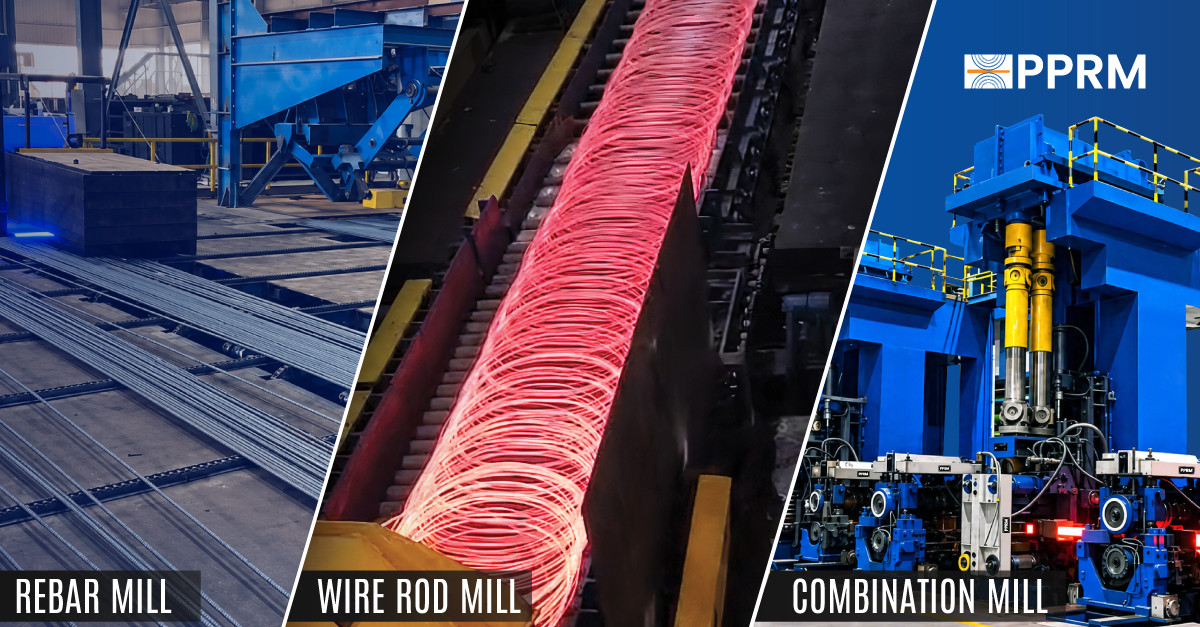
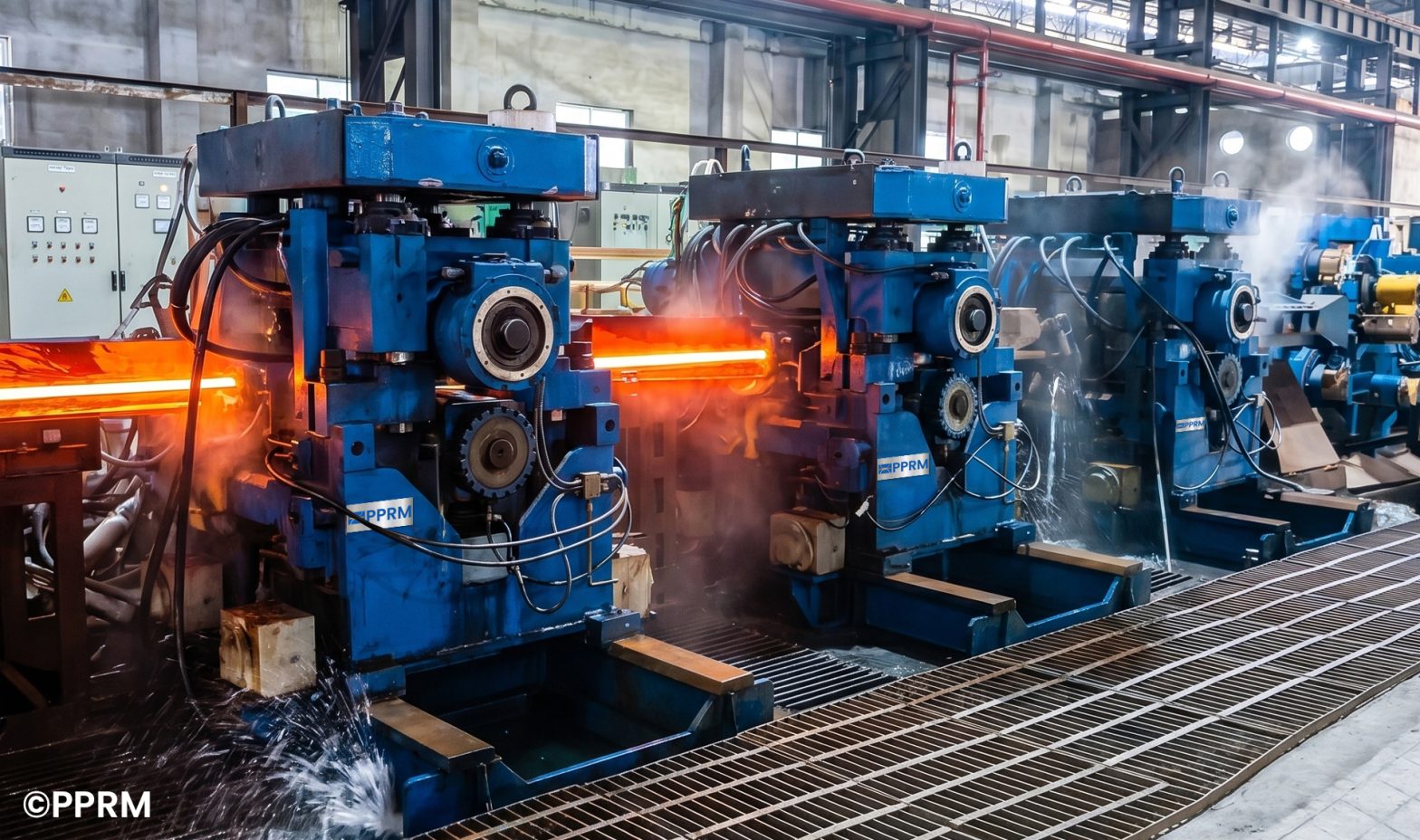
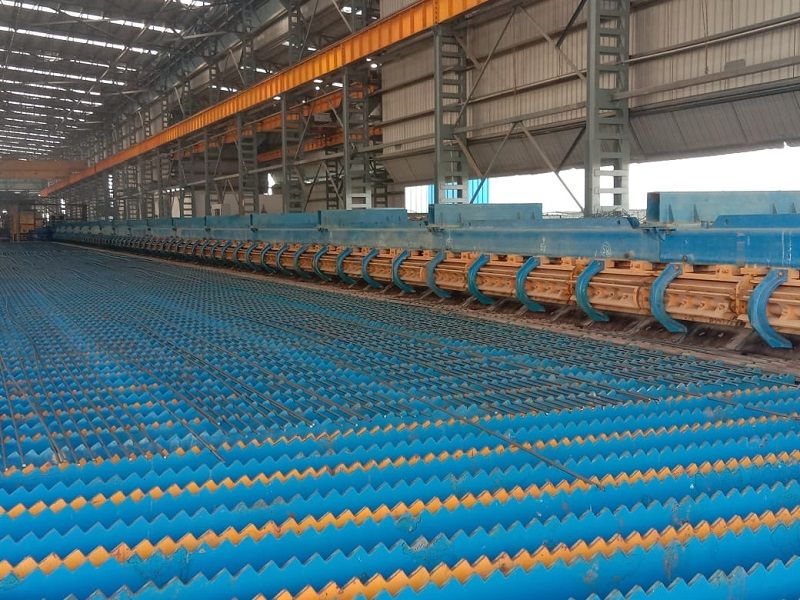
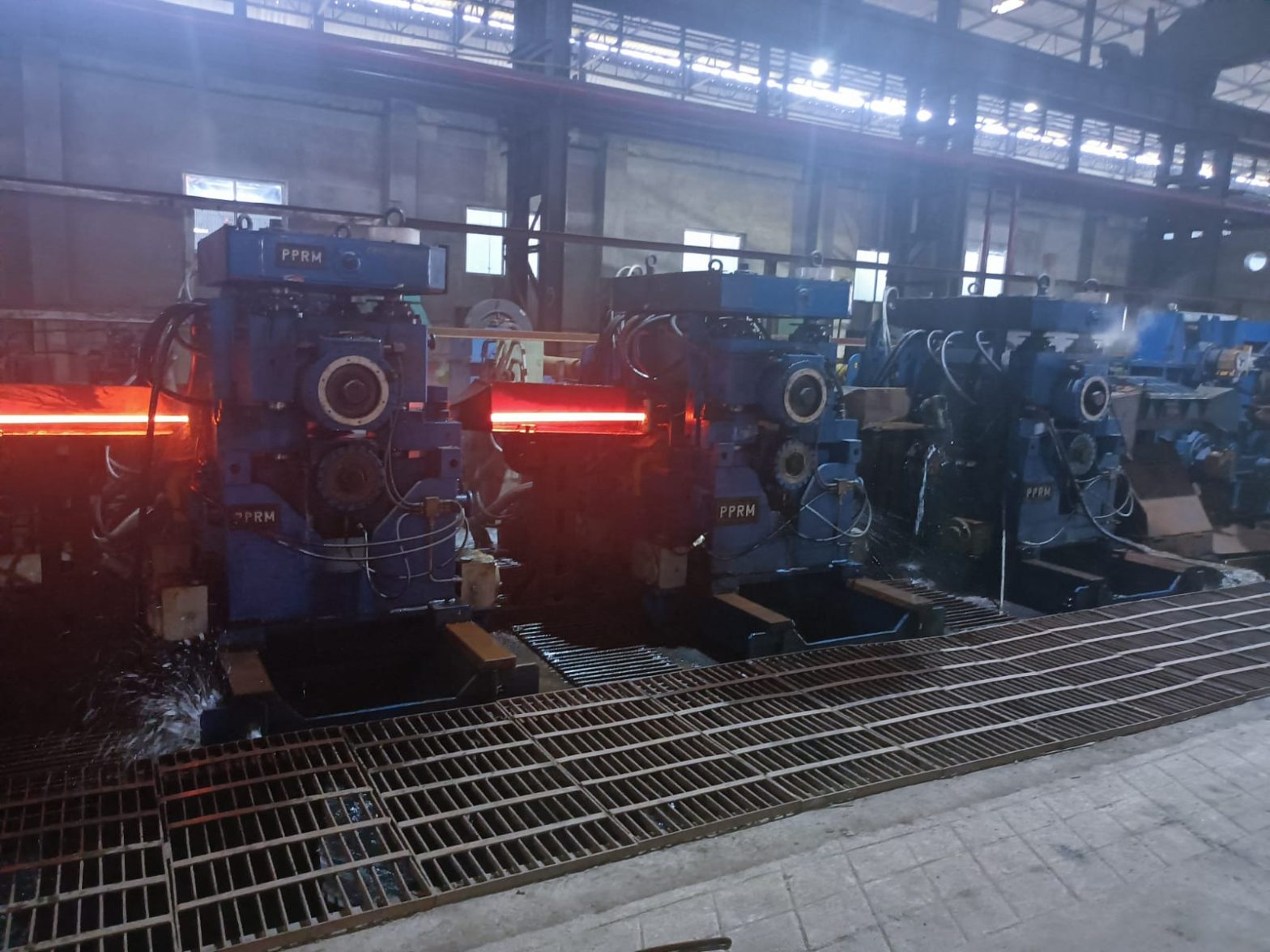
What a Rolling Mill Really Produces
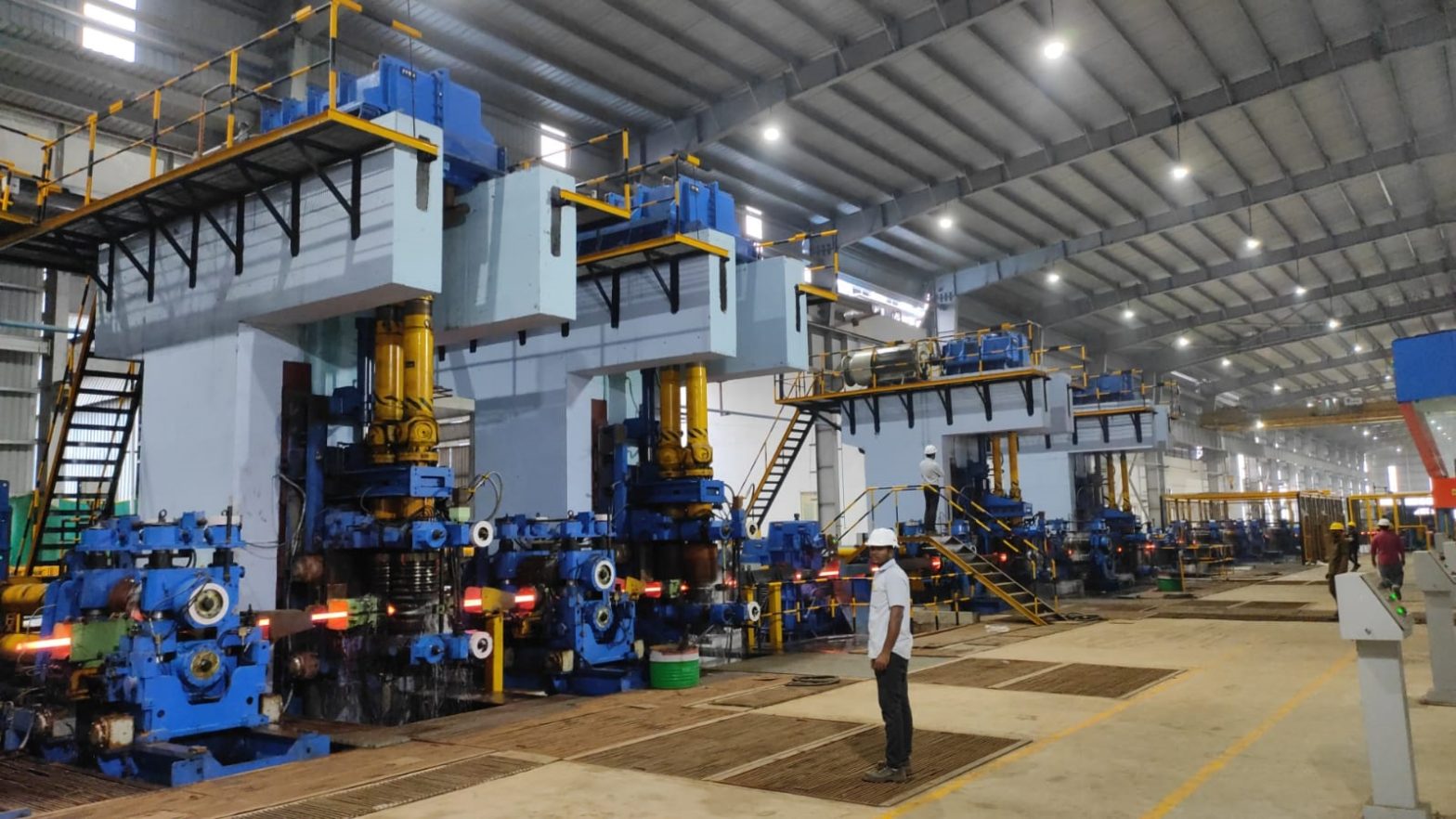
A rolling mill doesn’t just “shape steel”—it creates finished products that directly go into infrastructure projects.
The most important ones are:
TMT Bars (Thermo-Mechanically Treated Bars)
These are used in:
Why they matter:
👉 Without TMT bars, safe construction is almost impossible.
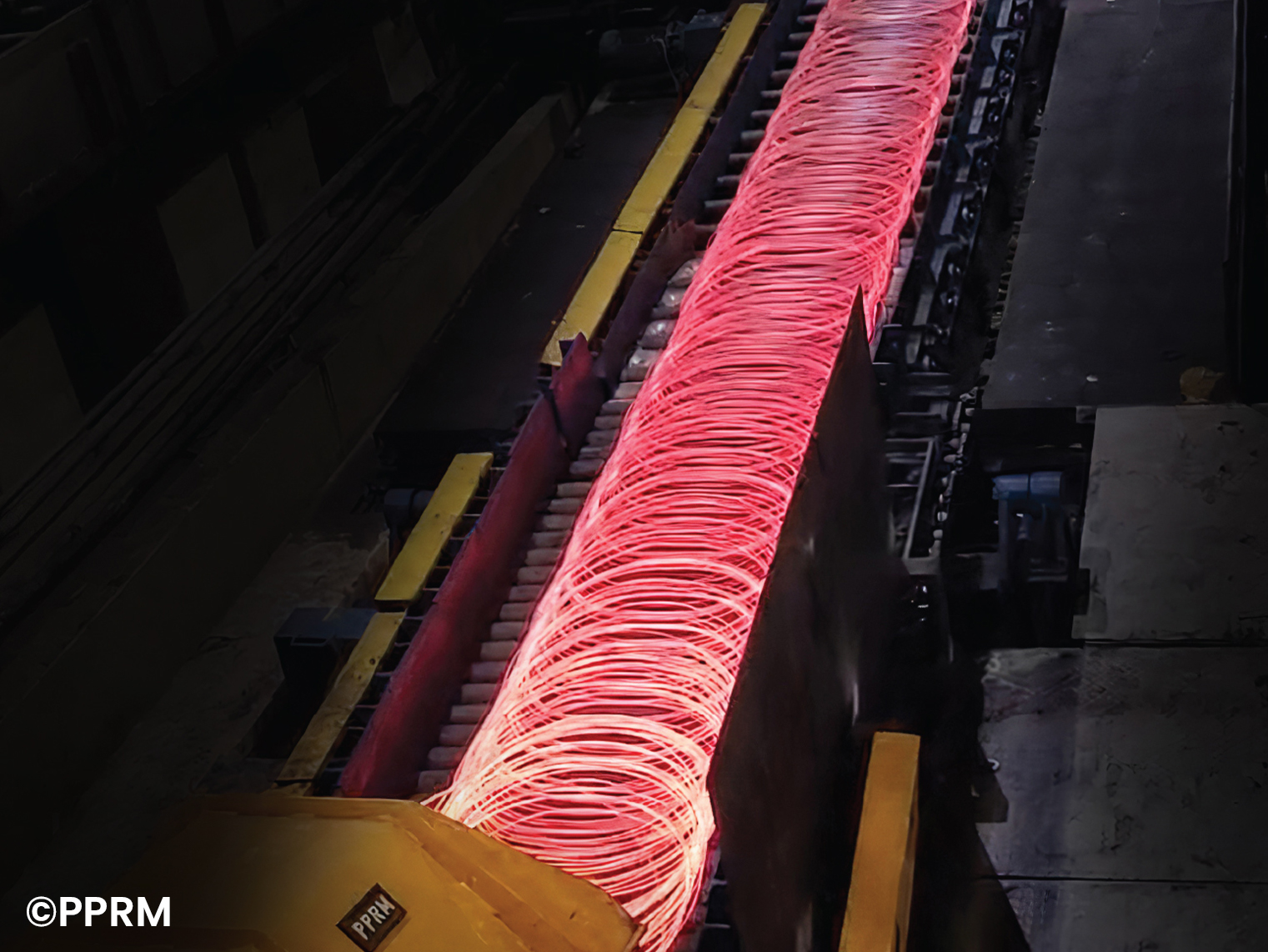
Wire Rods
Wire rods are one of the most versatile steel products.
They are used to make:
👉 In simple terms: If TMT builds the structure, wire rods support everything around it.
How These Products Shape Infrastructure
Let’s connect the dots:
👉 So, rolling mills are not just factories—they are infrastructure enablers.
Why This Matters for Business Owners
If you’re a business owner or planning to enter the steel industry, this is where the opportunity lies.
Demand for:
is constantly growing due to:
👉 A well-set-up rolling mill can be a high-demand, high-return business.
How PPRM Helps You Set Up a Successful Rolling Mill
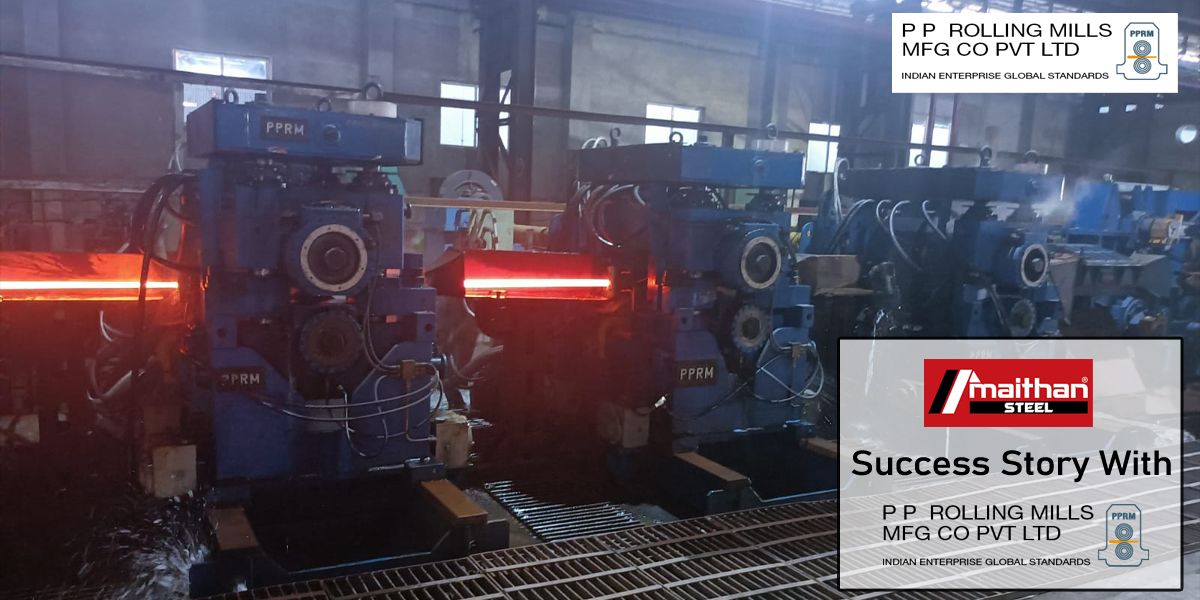
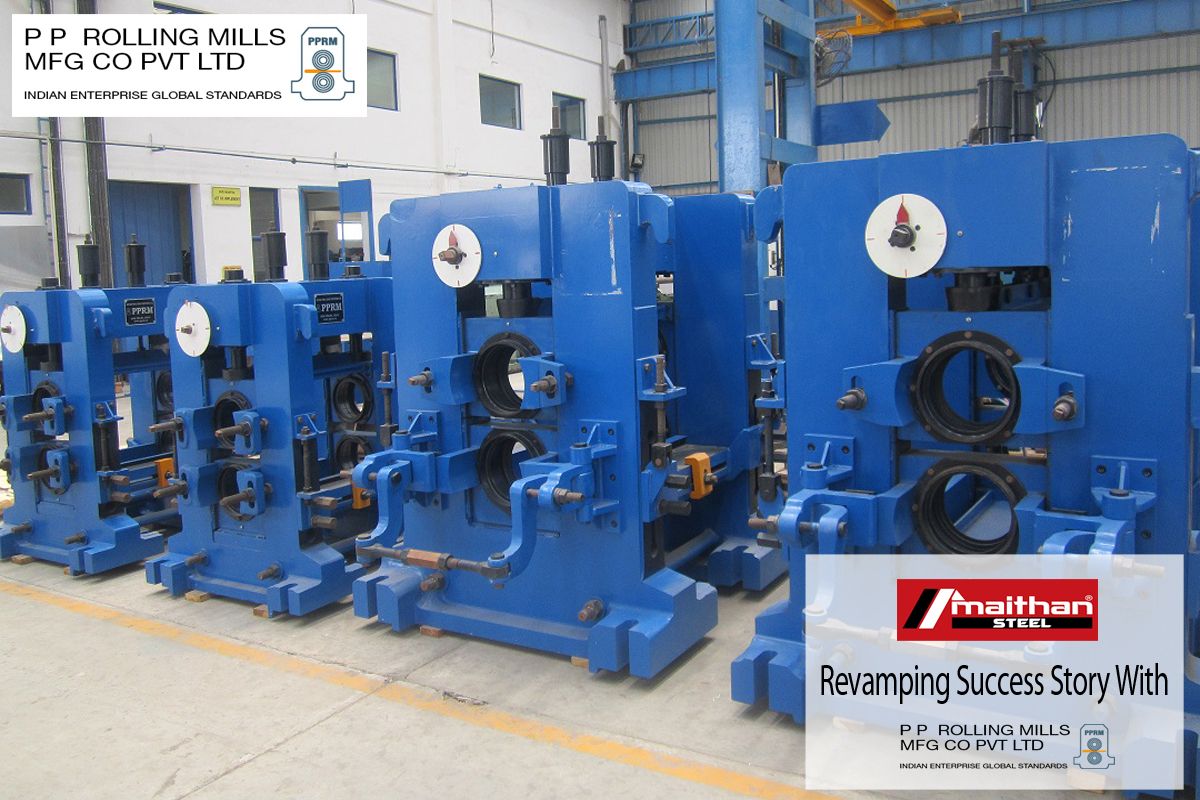
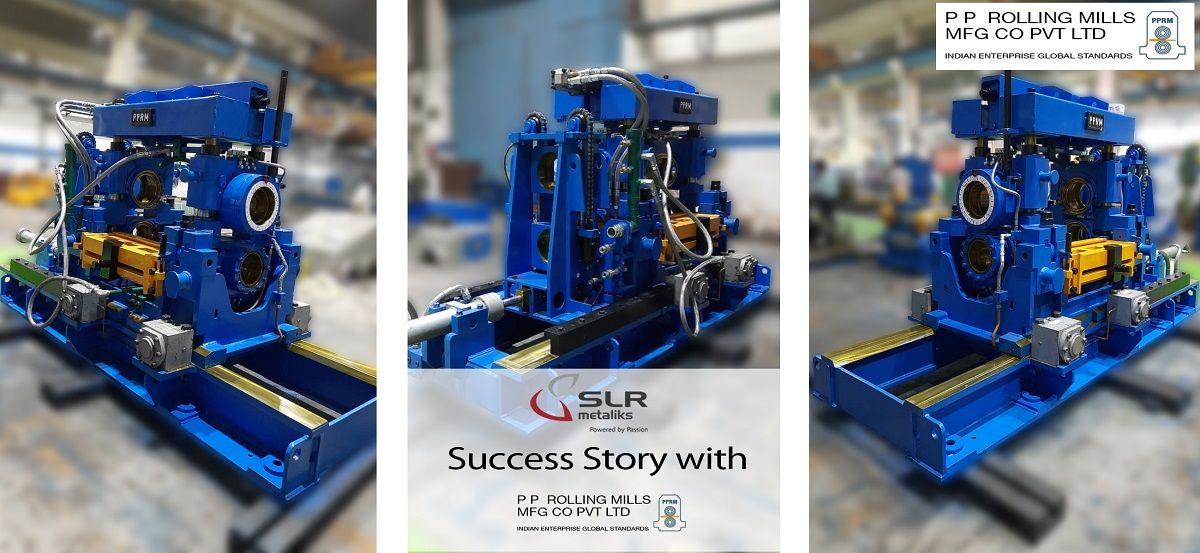
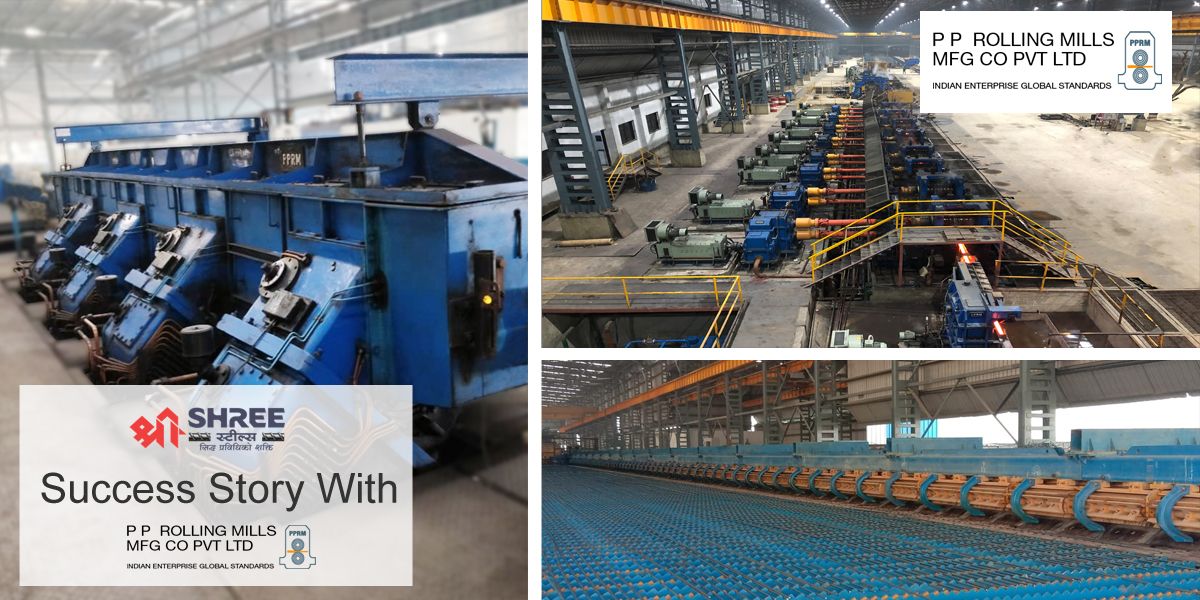
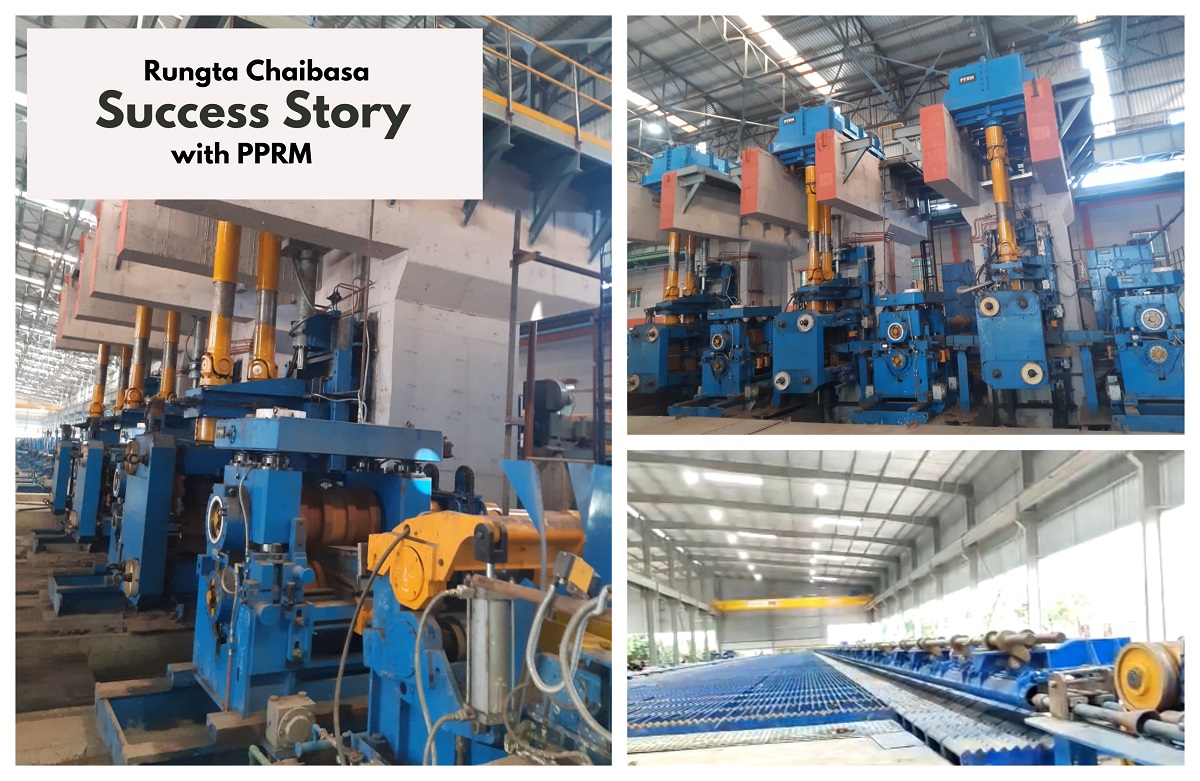
This is where PP Rolling Mills (PPRM) plays a key role.
Setting up a rolling mill is not just about buying machines—it requires technical expertise, planning, and the right system design.
1. Complete Project Planning
PPRM helps you with:
👉 This ensures you start with the right business model.
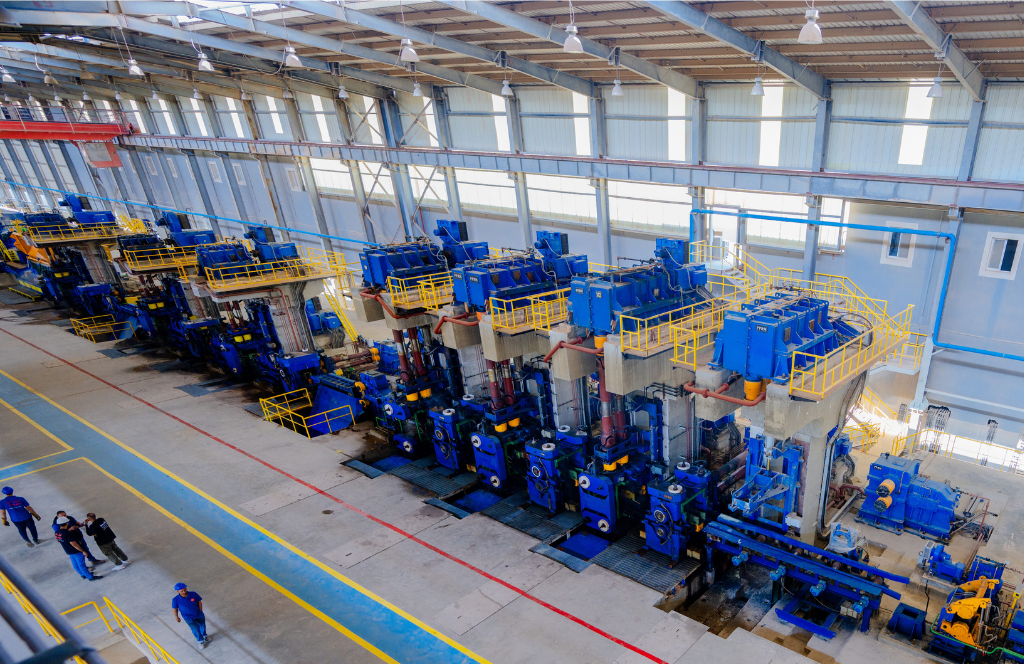
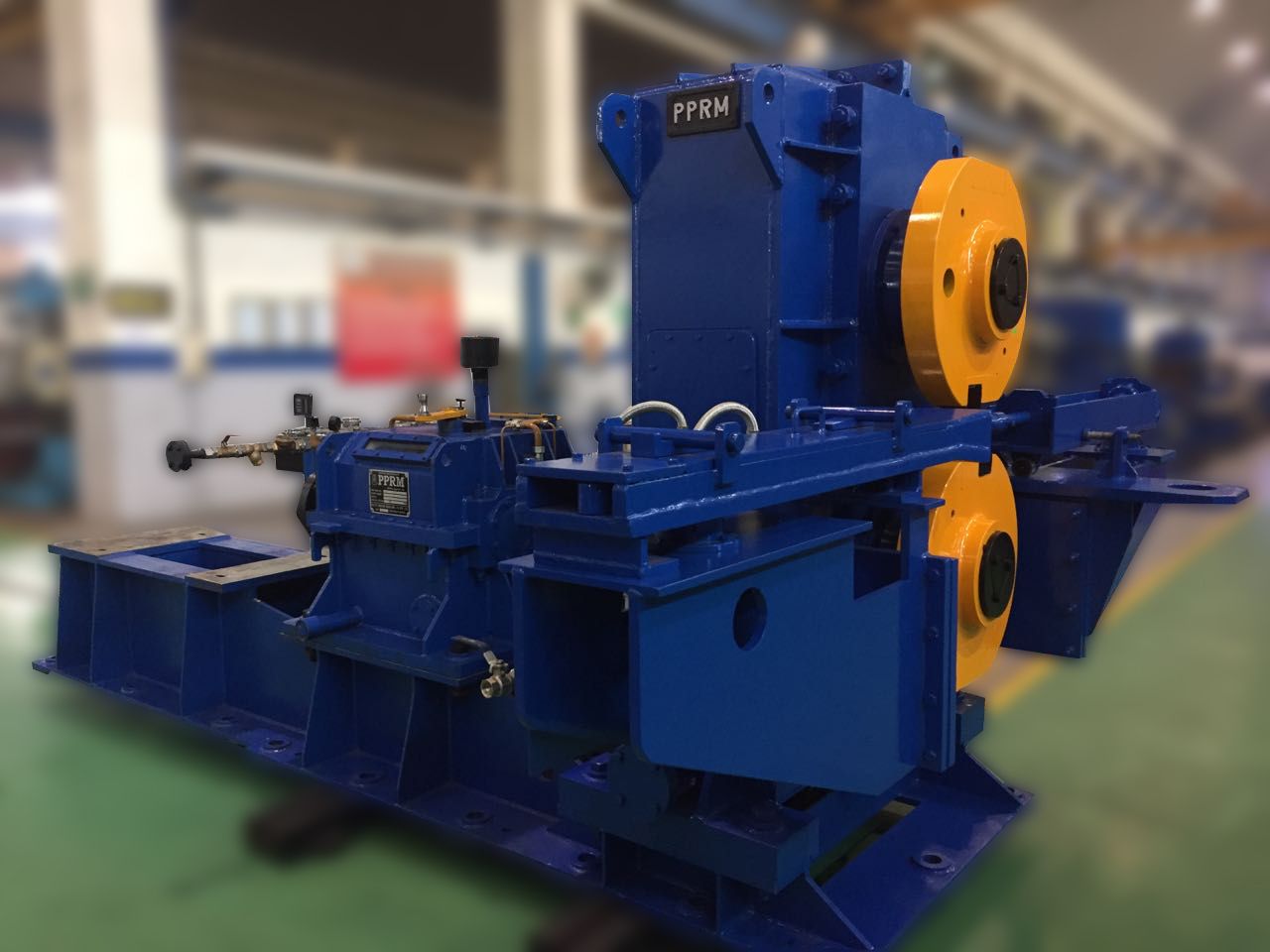
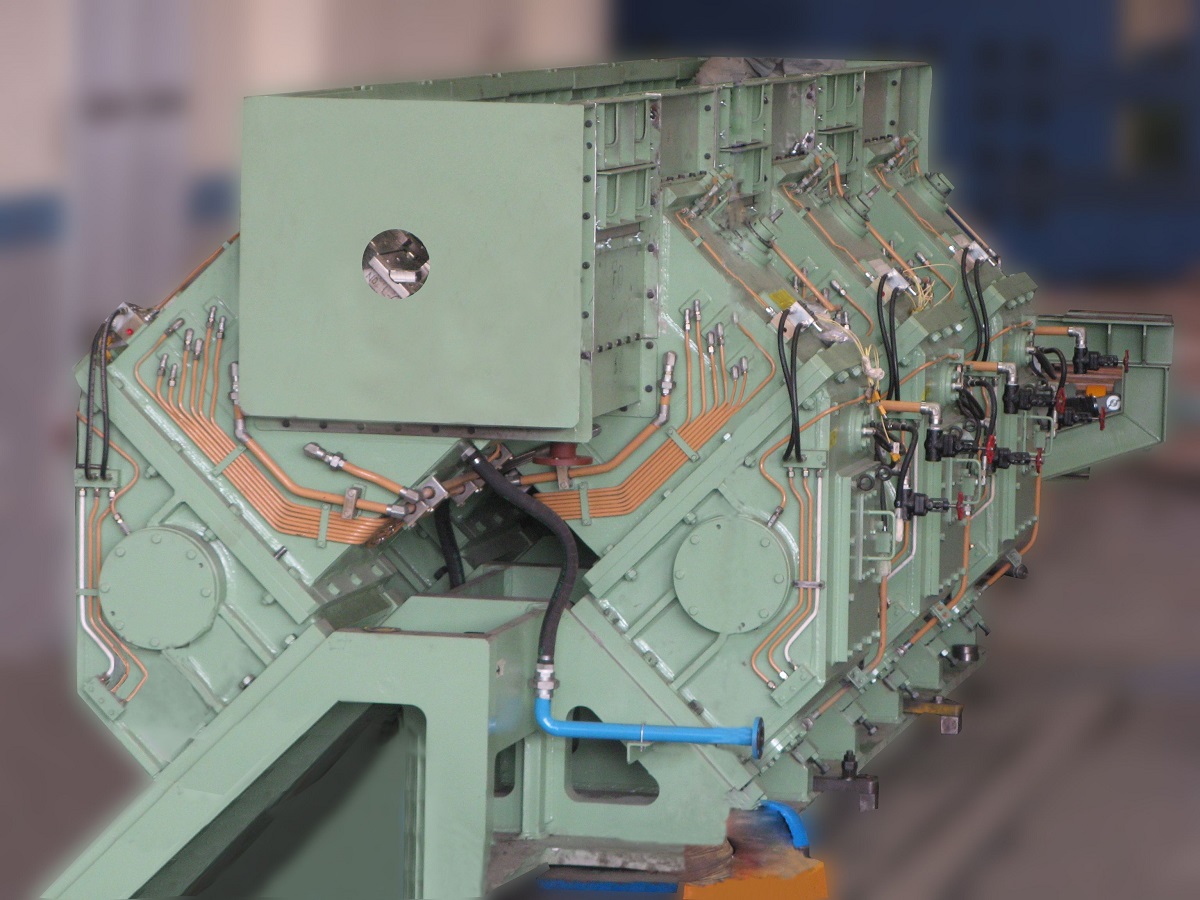
2. Advanced Rolling Mill Equipment
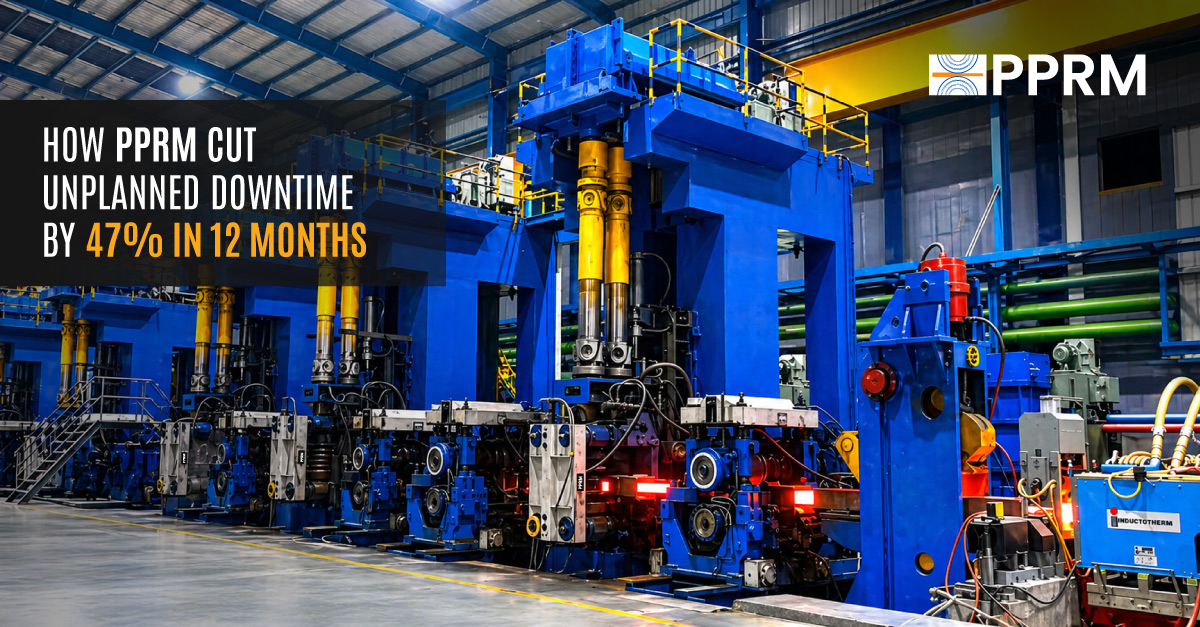
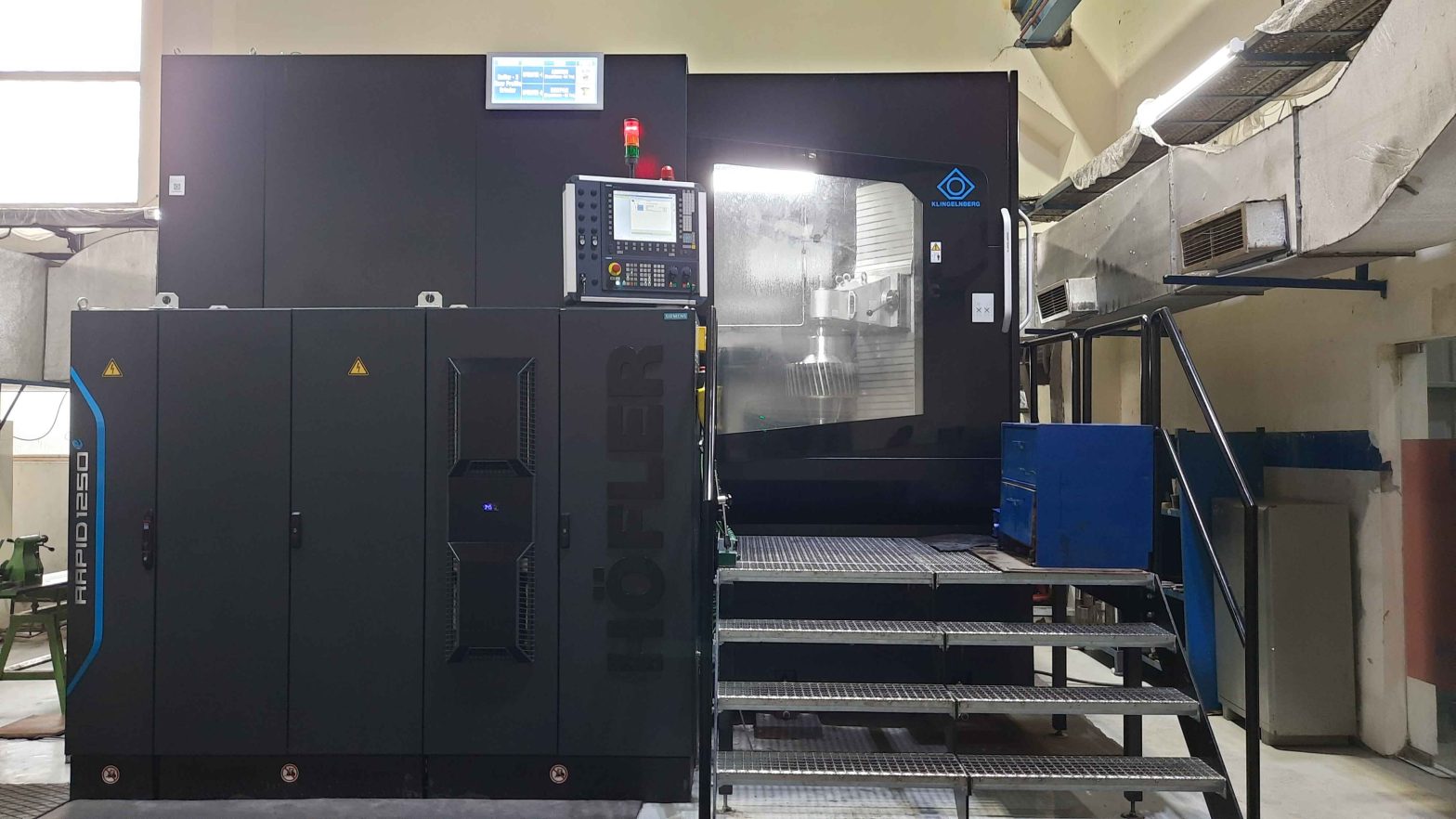
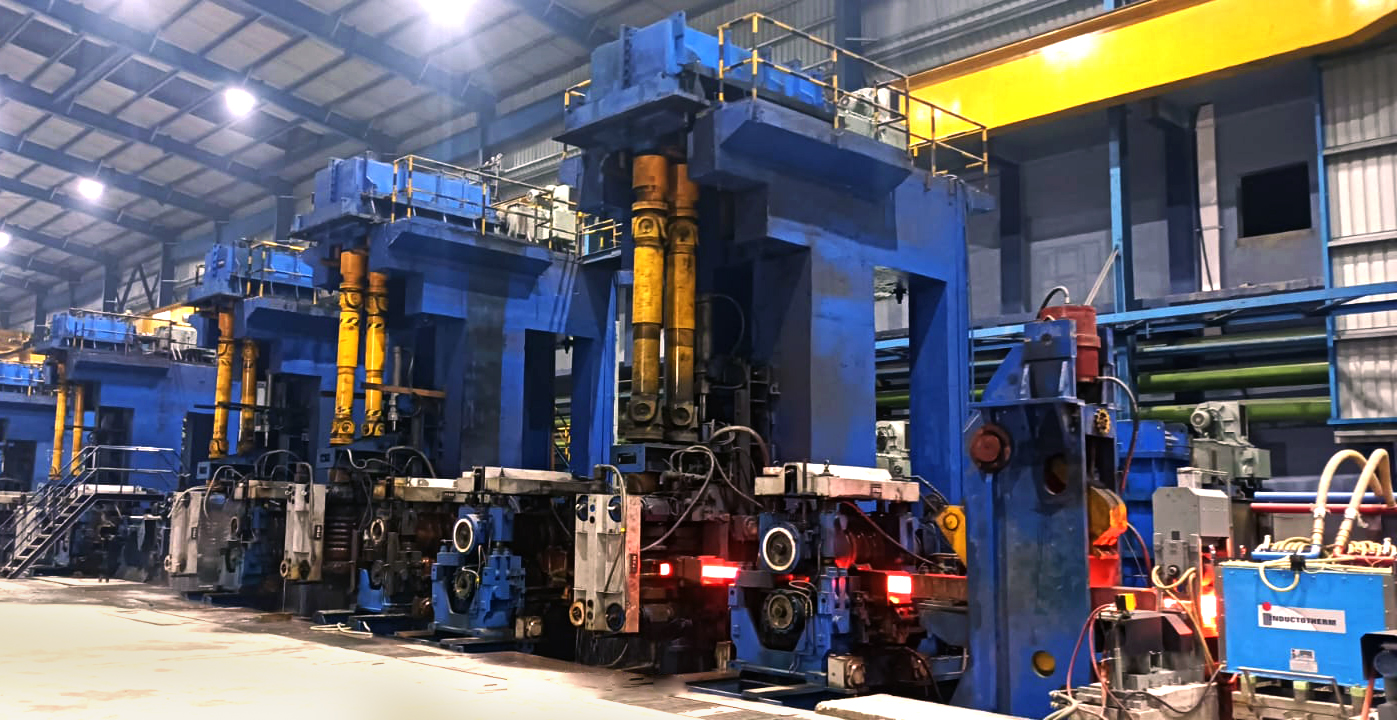
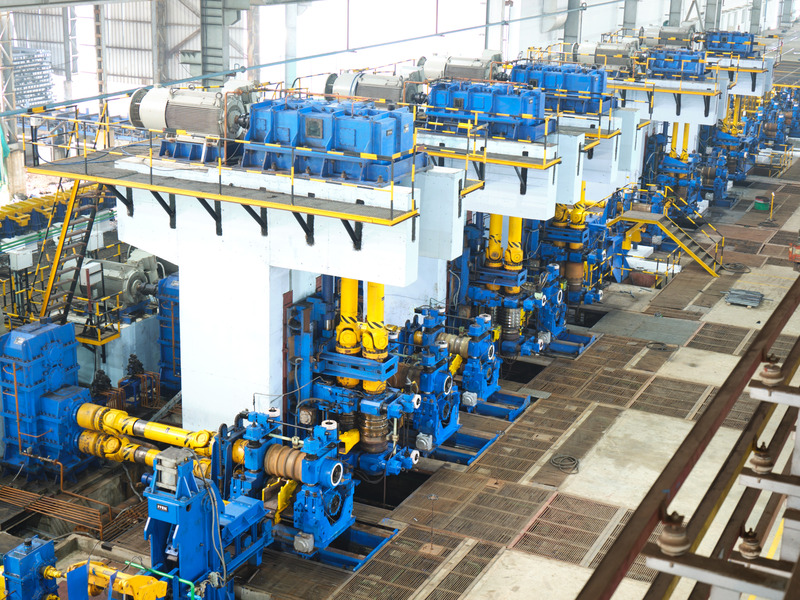
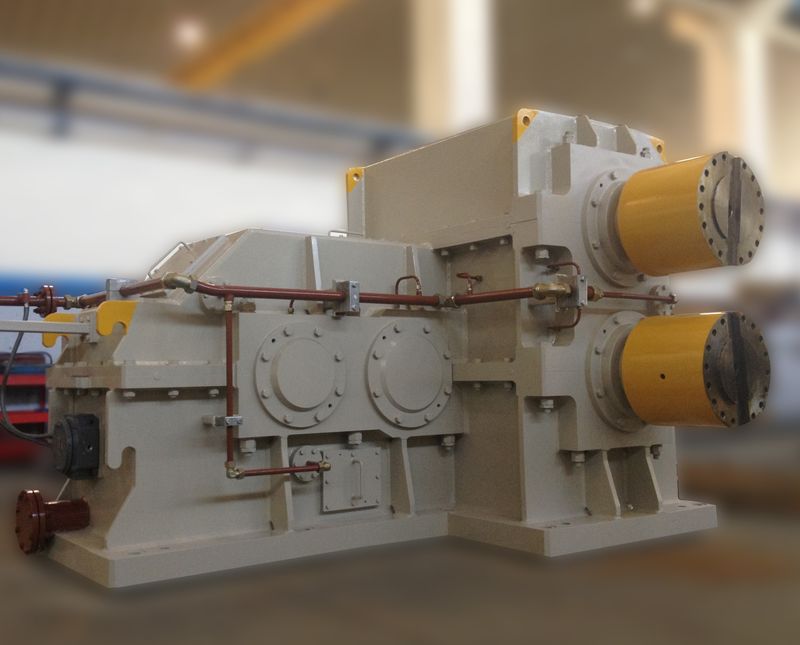
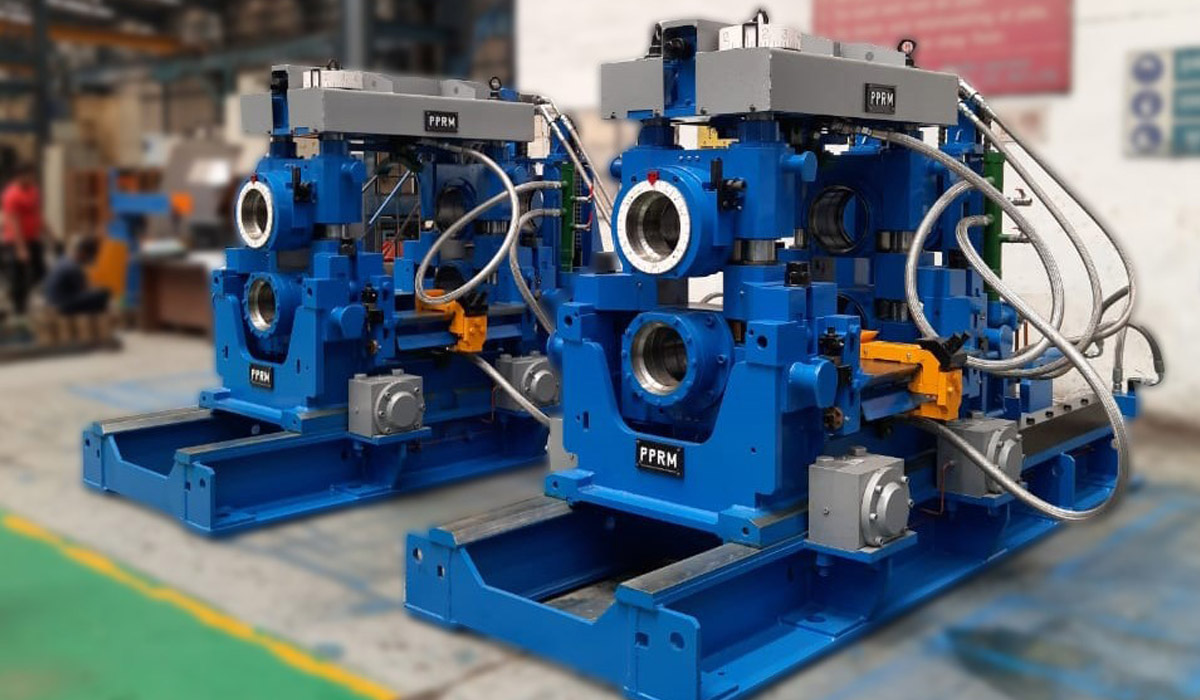
They provide:
👉 Result: Higher efficiency, lower downtime.
3. Cost Optimization
PPRM helps reduce:
👉 This directly improves your profit margins.
4. Turnkey Solutions
From concept to commissioning, they handle:
👉 You don’t have to deal with multiple vendors.
5. Training & Support
They also provide:
👉 This ensures smooth plant operations from day one.
Final Thoughts
Rolling mills are not just shaping steel—they are shaping cities, economies, and business opportunities.
👉 Whether you’re an investor, manufacturer, or entrepreneur—
the rolling mill industry is a strong foundation to build on.