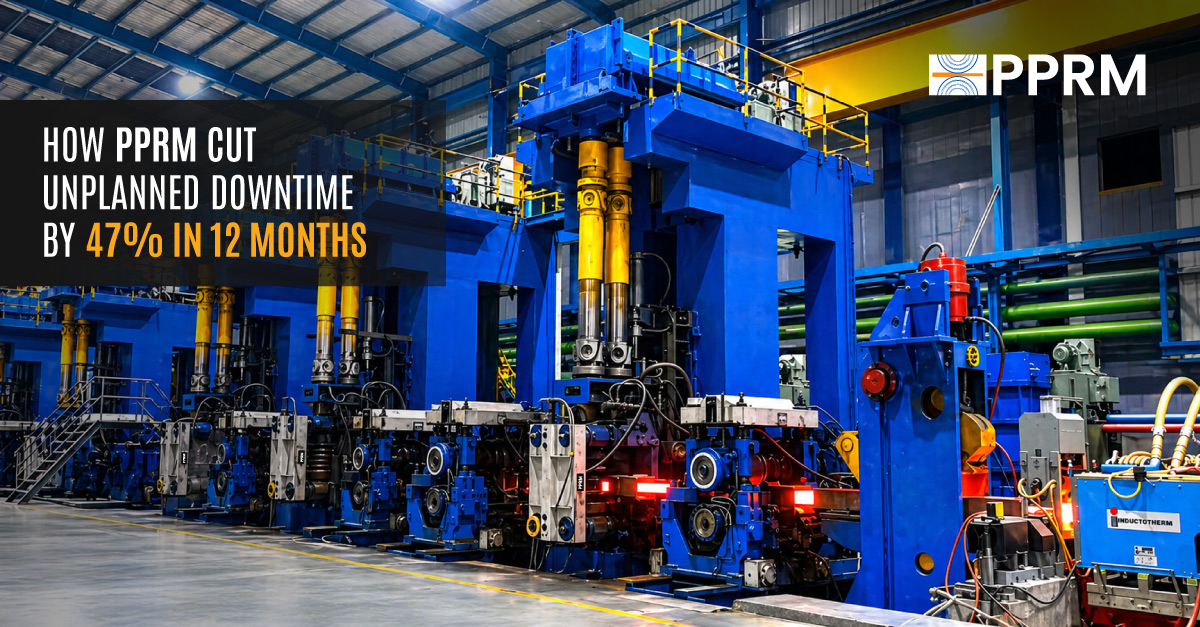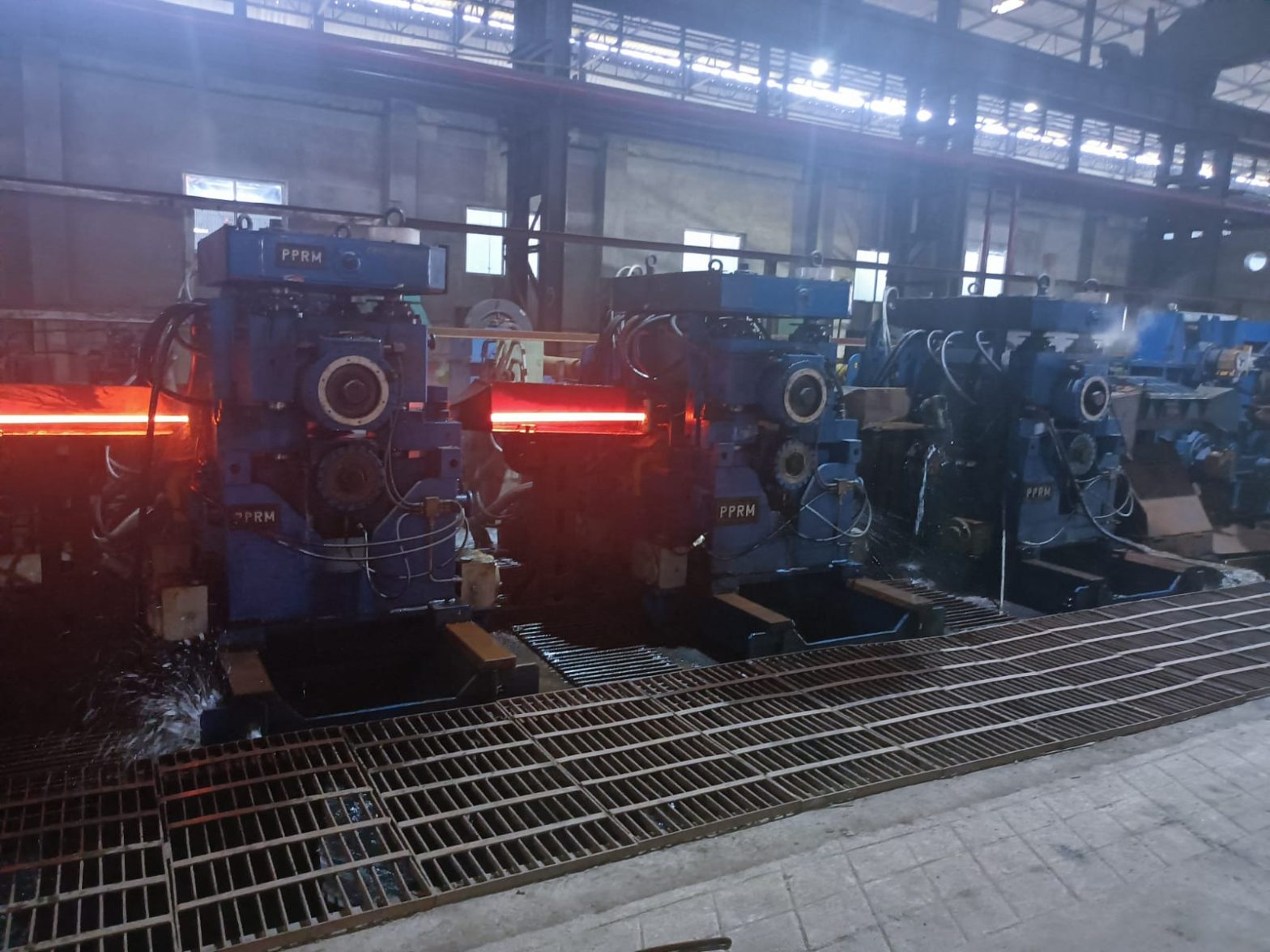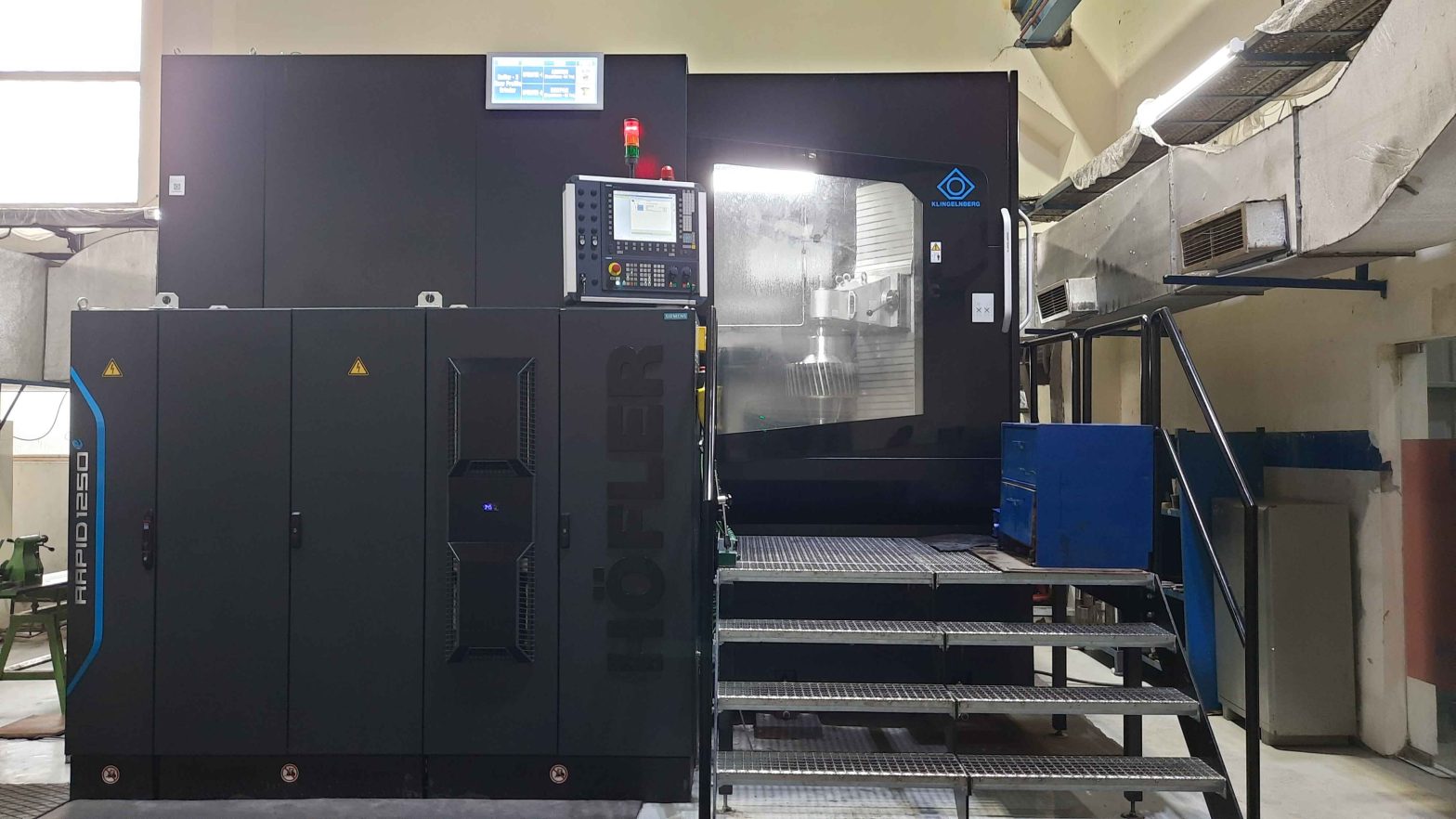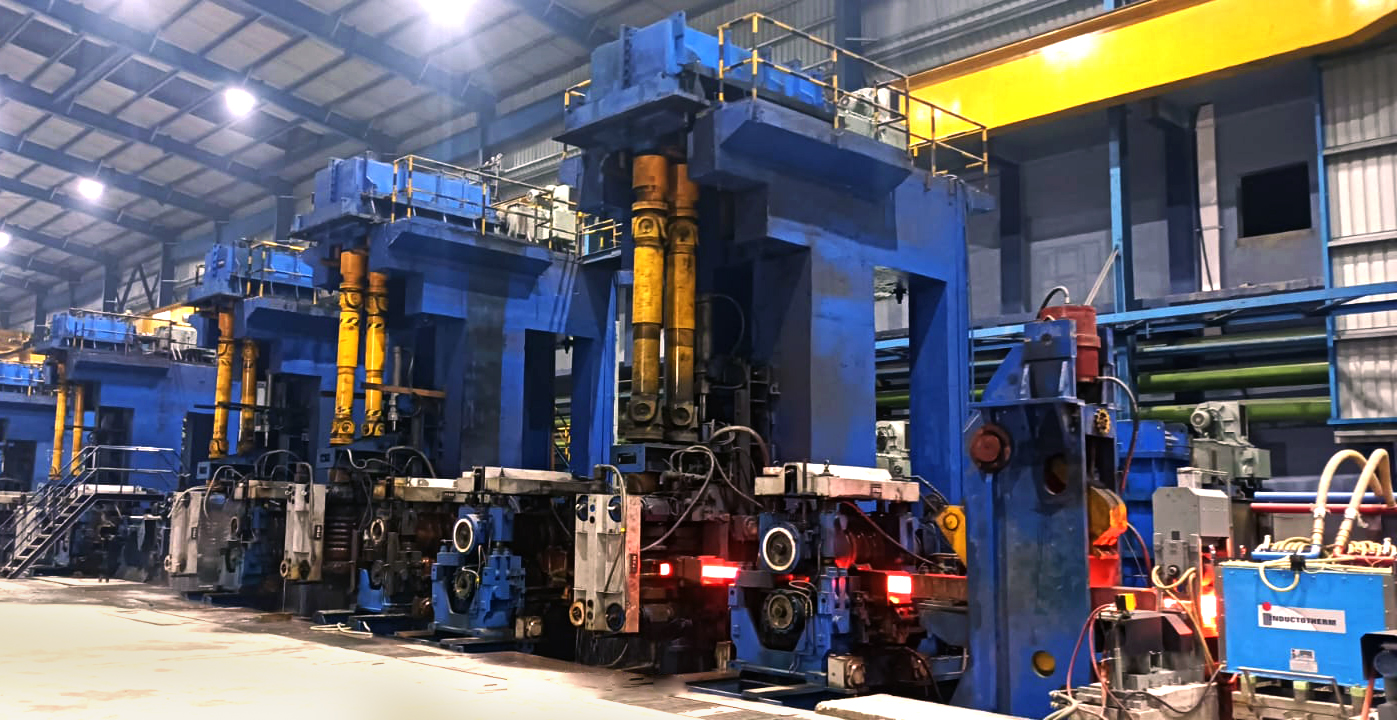
On mixed-schedule lines running round, square and rectangular profiles, format changeover is the single largest controllable loss. This study shows how modular mill architecture compresses a 5–6-hour changeover to under 90 minutes – and what that recovers in capacity, SKU range, and margin.
| <90 min Target full-profile changeover | 15–20% Capacity utilisation gain on mixed lines | ~1 shift Recovered per week vs. legacy routine |
Tube and pipe producers increasingly win work by breadth – the ability to serve round, square, and rectangular sections across a range of sizes from one line. But every profile or size change forces the mill down, and on a line that switch formats several times a week, that downtime compounds fast.
A conventional changeover is not one task; it is a sequence of dependent ones – each adding minutes that the line is producing nothing:
Done the traditional way, that sequence runs 5–6 hours – and often longer when tooling must be located, shimmed or trial-fitted on the mill. The line is idle, labour is committed, and scrap accumulates before a single saleable tube is produced.
| THE COST OF STANDING STILL If your tube mill takes 6 hours to change over, you are giving away a full shift every week — capacity you have already paid for but cannot sell. |
Breaking the legacy routine into its phases shows where the hours go – and why most of the loss is mechanical handling and re-stabilisation, not value-adding work. The figures below are representative of a conventional welded-tube line; they are illustrative and should be calibrated against your own line logs.
| Changeover phase | Conventional | Modular line | Saving |
| Roll & tooling removal / fit | 120–150 min | 20–30 min | High |
| Weld box & sizing reset | 60–90 min | 10–15 min | High |
| Stand alignment & pass-line | 60–80 min | 10–15 min | High |
| Re-thread & scrap run out | 40–60 min | 15–20 min | Medium |
| Dimensional check & approval | 30–40 min | 10–15 min | Medium |
| Total (typical) | 5–6 hours | Under 90 min | — |
The pattern is clear: the bulk of conventional changeover time is consumed before forming even resumes. Compressing it is therefore an engineering problem solved at the mill-design stage – not something operators can drill their way out of.
The Solution: Modular Mill Architecture
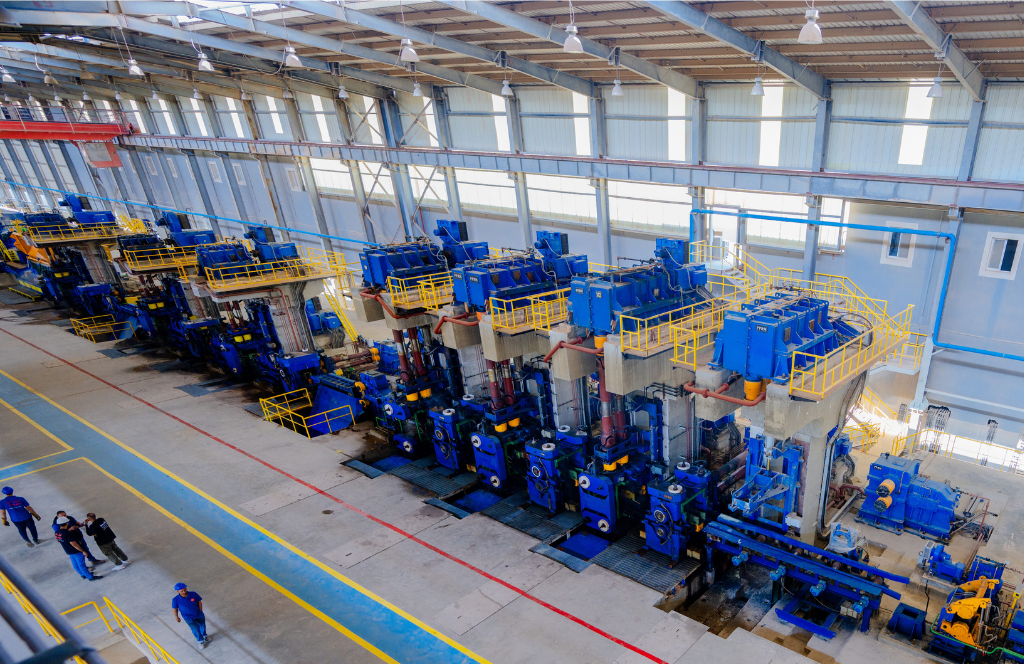
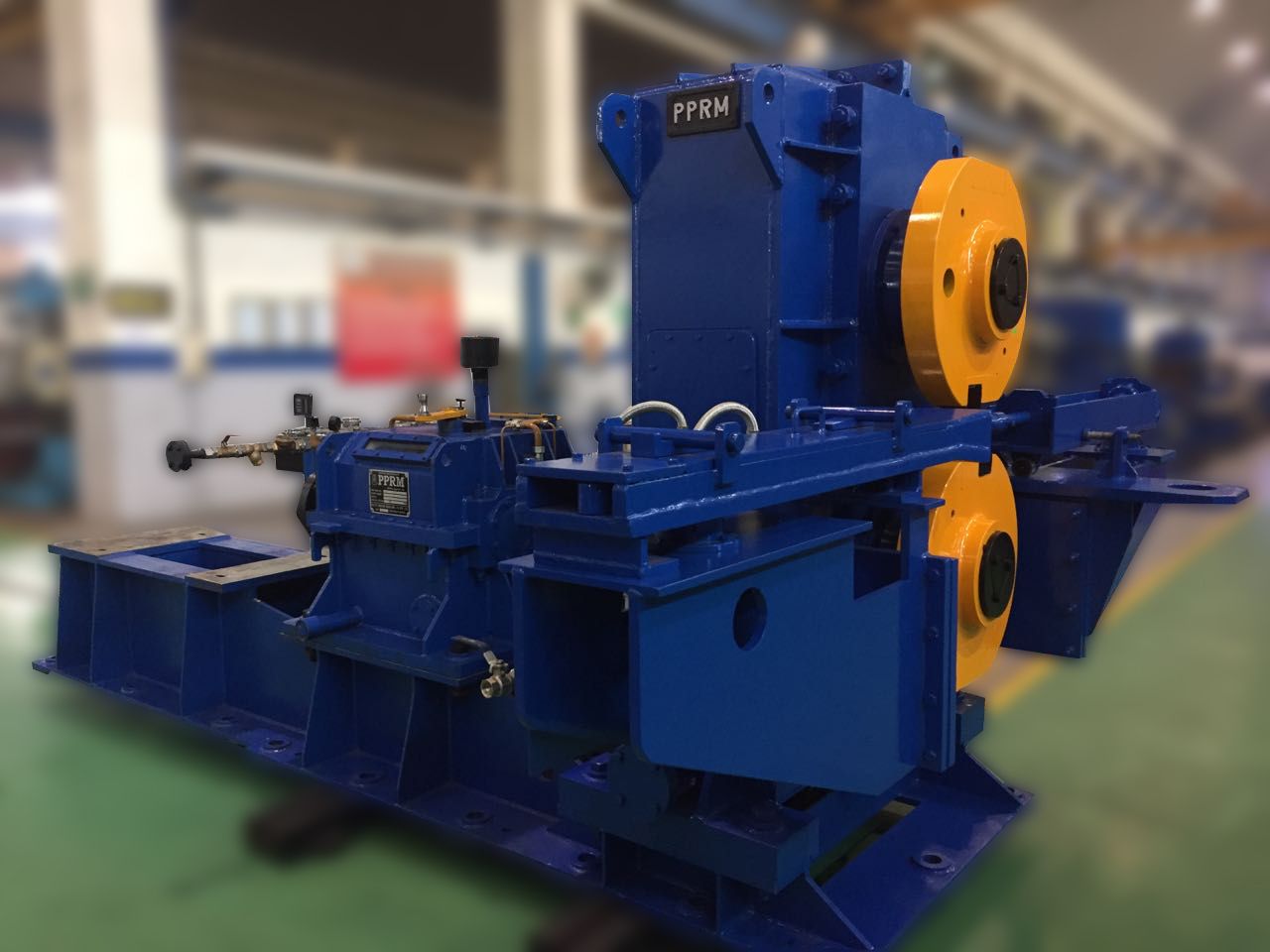
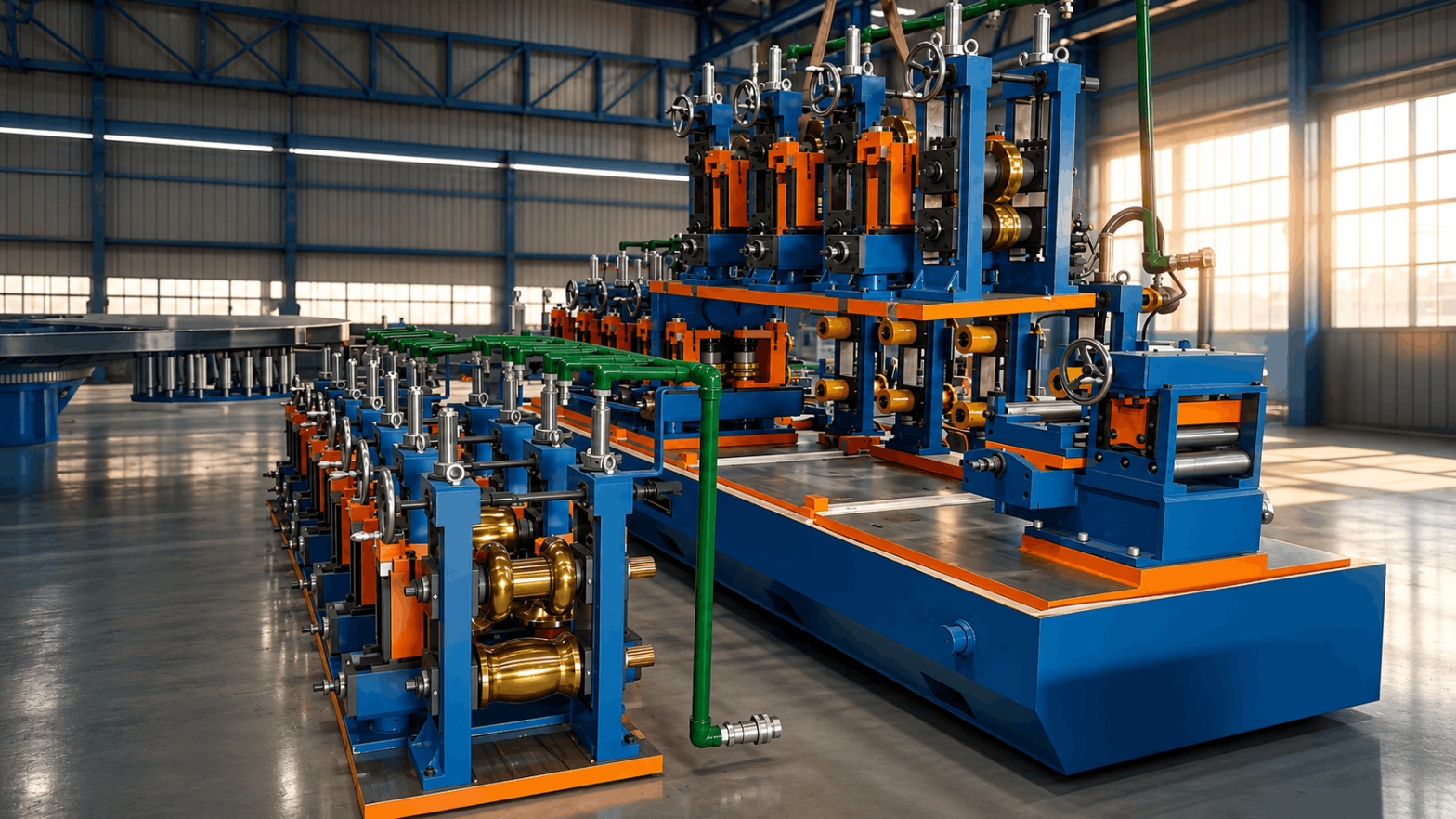
Sub-90-minute changeover is achieved by designing the mill so that setting happens off-line and swapping happens fast. Four design principles do the heavy lifting:
Off-line setup in parallel – the next format is prepared while the current order is still running, so the changeover window is exchange-only.
| DESIGN PHILOSOPHY The principle is simple: take the slow work off the critical path. Anything that can be set on the bench should never be set on the mill. |
The payback is not the saved hours alone — it is the saleable capacity those hours represent, plus the commercial freedom to run shorter, more frequent campaigns profitably. A worked illustration for a line changing format three times a week:
| Metric | Conventional | Modular (<90 min) |
| Time lost per changeover | ~5.5 hours | ~1.3 hours |
| Changeovers per week | 3 | 3 |
| Downtime lost per week | ~16.5 hours | ~3.9 hours |
| Productive time recovered / week | — | ~12.6 hours |
| Estimated utilisation gain | baseline | +15–20% |
Recovering a shift a week changes the commercial calculus. Short runs that were previously uneconomic -because changeover ate the margin – become viable, so the mill can profitably carry more SKUs and respond faster to order mix without sacrificing throughput. Note on figures: ranges are order-of-magnitude and depend on product mix, tube range, crew, and tooling discipline. They are intended to frame the opportunity; a line-specific assessment against your changeover logs will firm them up.
Lower scrap and steadier quality – pre-set tooling and repeatable datums shorten the run-out to first good tube.
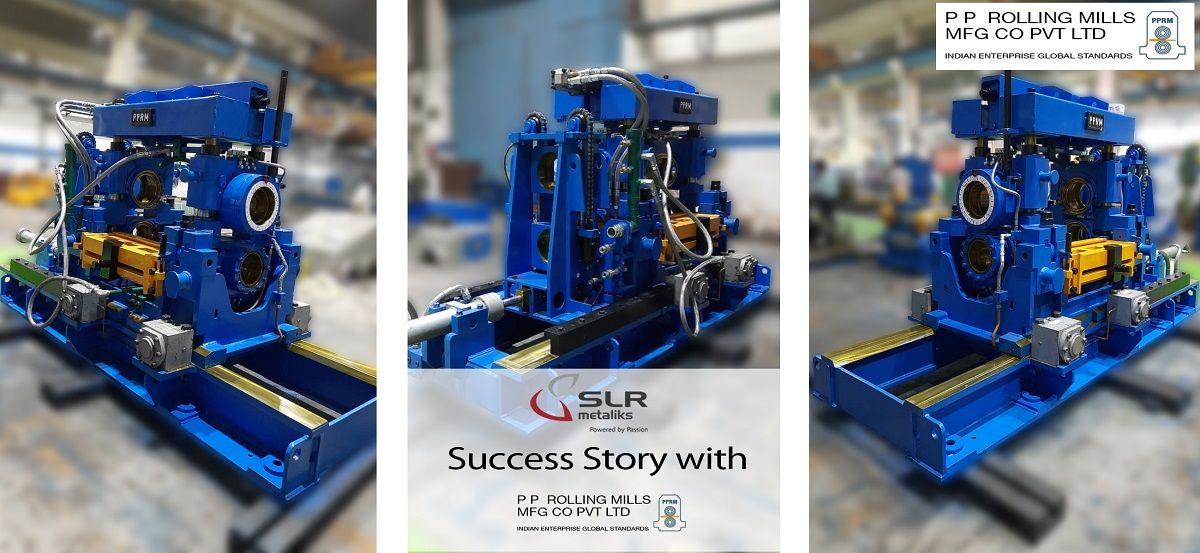
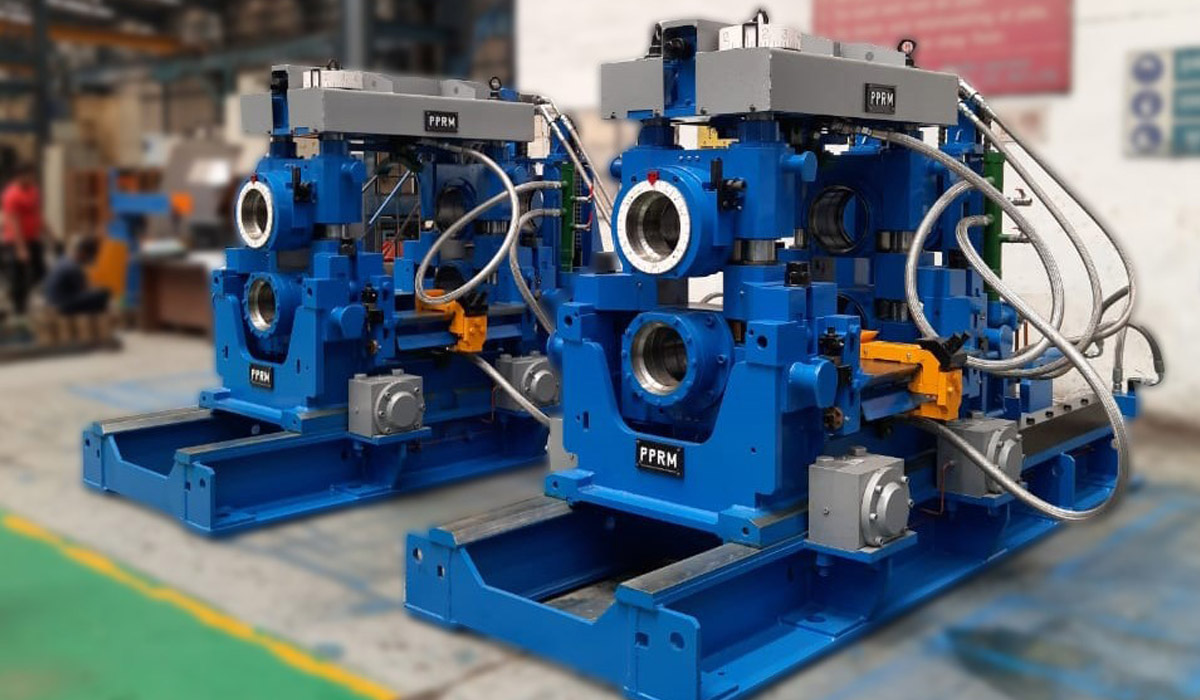
| Benchmark Your Changeover With PPTM PPTM designs and supplies ERW tube and pipe mill machinery engineered around quick-change architecture – cassette stands, pre-set tooling and repeatable positioning that move changeover off the critical path. Share your current changeover times and product mix, and our engineers will map the recovery potential for your line. PP Rolling Mills Mfg. Co. Pvt. Ltd. | Faridabad, India | www.pprm.in |